There is a quiet economy that happens on your roof. You do not see it from the sidewalk, but it touches nearly every part of life in town. When you choose a local roofing contractor, you are not just buying shingles and flashing. You are paying for speed when a storm punches a hole through your deck on a Sunday night, accountability when a chimney cricket was framed wrong five years ago, and knowledge that grew on attics and ladders in your climate, not in a distant call center. Neighbors keep neighbors dry. Money circulates one street over. That is the essence of hiring local.
What local actually means in roofing
Local is not a slogan. In roofing, it has practical boundaries. A true local roofing company works within a defined radius that its superintendents can drive in under an hour, often less. They know the building department staff by first name. They buy from regional suppliers with warehouses in the next town, not just drop-ship bundles from a state away. The crew trucks park in the same grocery store lot you use. When something goes wrong after a heavy rain, you can reach a person who can be at your house this afternoon, not a scheduler who is fitting you into next week’s route.
Scope matters. Roofers who spread across three counties can still count as local if they maintain a yard, warehouse, and service team nearby. The test is simple: if you call for roof repair, how fast can a qualified tech show up with the right materials? I have seen the difference show up in minutes during hail season. A local contractor had three tarping crews out by noon, while out-of-town companies were still handing out flyers.
Speed and accountability when weather gets real
The roof is a system that fails quickly when neglected. A lifted edge at the eave can wick water twelve feet up the underlayment during a wind-driven rain. A split boot at a plumbing vent can funnel water right down the pipe chase and into drywall. After a storm, time becomes the currency that matters. Local roofers carry it in stock.
I remember a night when a squall line brought 60-mile-per-hour gusts at 2 a.m. By 8, a local crew was on a ladder with ice-and-water, weaving in temporary flashing around a masonry saddle. They knew this house. They had documented the last repair. The homeowner avoided a soaked insulation mess and a mold claim because a technician with the right sealants was already in the area. That kind of response is not luck. It is infrastructure: material in the warehouse, crews on call, a dispatcher who knows which roads flood.
Accountability rides with speed. A local roofing contractor sees customers at school fundraisers and building supply counters. If a valley was woven wrong or nails sit high and punched through shingles, that mistake is going to be a conversation in public. The incentive to get it right is not just a warranty card, it is reputation that cannot be rebooted with a new area code.
Local knowledge of codes, climate, and materials
Roofs live in the weather, and weather has accents. Coastal wind ratings are different from those inland. Snow country places a premium on ice dam control, proper ventilation, and underlayment selection. The Southwest bakes shingles at 180 degrees on a summer afternoon and punishes sealant joints. A local roofing contractor understands which underlayment resists heat printing on a west-facing slope, which drip edge profile your inspector expects, and how the local ridge vent you prefer pairs with existing soffit openings so the system breathes rather than siphons conditioned air out of the house.
This shows up in material choices. In humid climates, a naive decision about synthetic vs felt underlayment can lead to condensation under metal panels. In hail-prone areas, local roof installation companies often steer clients to impact-rated shingles or stone-coated steel and can point to three roofs in your neighborhood that have already been tested by a storm. On older homes with skip sheathing, the local crew knows how to re-deck correctly and stagger seams so the nailing field is sound. These are not hypothetical details. They determine whether your ridge cap survives the first windstorm after a roof replacement.
Economic benefits that stay in the neighborhood
A new roof is one of the larger checks a homeowner writes. When that check goes to a local roofing company, more of it loops back into town. There is the multiplier you can measure. Wages paid to crew members who eat at local diners. Supply orders that keep the regional distributor hiring and stocking. Taxes that maintain services. Some of the returns are quieter but just as critical. Local roofers often sponsor youth sports, donate to fire departments, and offer scholarships for trades. I have watched crews stay late to help a neighbor right a blown fence, not because it was billable, but because that is what you do when you live on the same streets.
Training is part of the economic picture. Apprenticeships are easier when the shop is in the zip code. A high school graduate can start as a ground helper, learn to set ladders, read harness tags, and tie off to anchor points, then move into tear-off, underlayment, and shingle layout. In two or three years, that person is lead on a two-man repair crew. Those are careers that stabilize families and, by extension, communities.
Warranty service you can actually use
A manufacturer’s warranty looks great on paper, but most roof issues are workmanship, not materials. Flashing that was not hemmed, a nail line that wandered high near a dormer, a forgotten kickout diverter at a termination. These are small misses that can lead to big problems. When the company that did the work is within a few miles, warranty service becomes a phone call and a scheduled visit. If the firm that installed the shingles is 150 miles away and contract crews have moved on, warranties become harder to enforce.
Local roofers also tend to keep detailed job files. Photographs before and after, measurements, material batches, the crew roster that day. When a ridge board moves and a small split opens at a pipe boot three winters later, a service tech can look at the record, bring the right size replacement, and complete the roof repair without a second trip. You get continuity, not a fresh start with someone who has never seen your home.
Safety, permitting, and neighborhood logistics
A well-run roofing contractor blends production with compliance. Local firms stay current with permit requirements, inspection intervals, and jobsite safety expectations in your municipality. They know the inspector who is picky about step flashing. They schedule tear-off so a roll-off container does not sit across the sidewalk for a week. They protect landscaping because they will roof replacement services see you at the coffee shop and do not want to answer for crushed hydrangeas.
I have watched out-of-area crews skip basic controls, not from malice but ignorance. No sidewalk protection boards on a busy street. No notice to the neighbors about parking impacts. Nails left in gravel drives because there was no magnetic sweep at the end of the day. A local roofing contractor has habits to prevent these outcomes, because repeat work depends on it.
Choosing local does not mean paying a premium without value
There is a perception that local means higher prices. Sometimes you will see a difference of 3 to 10 percent compared to a traveling outfit offering an aggressive number. The question is what that extra money buys. In roofing, the cheapest number can become the most expensive path if it trades away quality fasteners, proper underlayment, or drip edge replacement. I have seen quotes that omit ice-and-water membrane in valleys to shave a few hundred dollars, which later becomes a multi-thousand-dollar interior repair after a storm. I have also seen national chains bid fair and do excellent work. The point is not that outsiders cannot build a good roof. It is that locals are easier to vet, easier to hold accountable, and around when details need attention.
If your budget is tight, a good local roofer will often phase work. Address urgent penetrations and a chimney flashing first, then schedule partial reroofing by slope next season. They can help you navigate financing or insurance claims when a storm event truly caused damage. They also know when a repair is false economy and will say so plainly. A two-layer tear-off with brittle decking, pervasive nail pops, and granule loss across south-facing slopes suggests a full roof replacement, even if you wish it were not the case. The honesty is part of the value.
The nuts and bolts of verifying a local roofing company
Finding a roofing contractor near me is easy to type into a search bar. Sorting the results takes more care. Sponsored links are not a verdict on quality. Aggregator sites can be useful but often include firms from a wide area. You want alignment between the address on the website, the yard where trucks live, and the service radius they describe.
Use this short checklist when you evaluate candidates:
- Physical presence you can visit, such as a shop or yard within a reasonable drive, not just a mailbox Proof of licensing where required, proof of general liability and workers’ compensation insurance, and willingness to send certificates directly from the carrier Recent local references with addresses you can, with permission, drive by to see roof lines similar to your home A detailed scope that lists underlayment type, brand and class of shingles or panels, flashing approach at walls and chimneys, ventilation plan, and decking repair policy with unit prices A plan for site protection, daily cleanup, magnet sweep, landscaping protection, and how they will handle rain delays
Look closely at proposals. A clear quote explains whether drip edge is included, how many feet of ice-and-water membrane will be installed, and what happens if multiple sheets of decking need replacement. If you see vague wording like replace as needed without pricing transparency, ask for specifics. A trustworthy roofing contractor will spell it out.
Repair versus replacement, and the power of a second opinion
Homeowners often face a hard call between patching a leak and committing to roof replacement. Numbers and timing matter. If your architectural shingles are 17 years into a 30-year label life, you have likely reached the practical midpoint given sun exposure and ventilation. Replacing a few shingles after a limb strike makes sense. Chasing multiple leaks through tired valleys, curled tabs, and failed sealant joints usually does not.
Local roofers tend to be candid because they expect to stand behind the result. I have told homeowners to wait a season and save. A southern exposure that bakes all summer might push you to act sooner. A shaded north slope with moss requires cleaning and a treatment plan before you can judge the condition. These judgments change with roof design, slope, and surrounding trees. A second opinion from another local roofing company can keep you from over- or under-spending.
When insurance is involved after hail or wind, a local contractor can document damage in the format adjusters in your area expect. They know which photos help, how to mark hits properly on soft metals, and how to avoid claims that misclassify age-related wear as storm damage. That keeps the process above board and improves outcomes.
Environmental gains that are closer than they appear
Local projects reduce transport distances. Shingles and metal panels come from a distributor an exit or two away. Crews do not drive hours to reach your home. It is not a radical cut in emissions, but it is real. More interesting are the material and disposal choices locals make. Many regional roofing contractors participate in shingle recycling programs when available, diverting tear-off from landfills into asphalt paving. They know which dump sites accept clean gypsum or which recycler takes aluminum drip edge.
A local roofer also understands how energy choices play out in your climate. Cool roof options are not magic, but a light-colored shingle or a reflective metal panel can reduce attic temperatures by double digits in summer, lowering cooling load. Pair that with a ventilation plan that uses existing soffit intake and a baffle system to keep insulation from choking airflow, and you get comfort and shingle longevity. These are design choices made at estimate time, not after the crew is on site.
How local support shows up in small, unadvertised ways
I have watched roofing crews shovel a neighbor’s walk after finishing a winter repair. I have seen a project manager stop by a year later to check a chimney saddle after a severe storm, unasked, because he remembered a tricky seam. These gestures do not show on invoices. They build the kind of trust that cannot be bought with an out-of-area billboard.
When the same families work on the same streets, standards rise. You cannot hide behind a service department across a state line. If a valley flashing looked good on a sunny day but trapped ice in January, you are going to hear about it and fix it. That pressure makes for better roofs.
What to ask before you sign anything
The right questions are simple and revealing. Ask who will be on your roof. The best answers name a foreman and describe the crew as employees or long-term partners, not a day labor pool. Ask how they stage materials. If the plan is to bring everything the morning of, in the rain, that says something about planning. Ask how the company handles change orders. Roofs reveal surprises. Dry rot under a skylight curb, an old satellite dish with holes through decking, unflashed sidewall laps under old stucco. A fair change order policy sets unit prices in the proposal so you are not guessing mid-project.
Use the weather to test thinking. If a summer thunderstorm is due at 3 p.m., how do they protect a torn-off slope? Good roofers talk about dividing work into manageable sections, using synthetic underlayment with taped seams, staging tarps, and checking radar. They will describe how they do a final nail sweep and how they verify all vents are open and balanced.
Here is a short set of red flags to watch:
- Full payment up front rather than a reasonable deposit with balance due upon substantial completion Reluctance to provide insurance certificates or references, or pressure to sign today for a drastic discount Vague scope that omits flashing details or ventilation plan No physical presence or inability to meet at a shop, yard, or ongoing job locally Unwillingness to discuss what happens if rain arrives mid-job or if decking repair exceeds a certain count
These questions and cautions are the small differences that separate a smooth roof installation from a stressful saga.
The community effect you can measure
It is easy to talk about principles. It is better to point to outcomes. A mid-sized town in the Midwest lost two long-standing roofers during the last recession. For a while, homeowners leaned on traveling crews who followed hail maps. Work got done, but service after the fact suffered. As new local firms opened, you could feel the change. Suppliers extended better terms, which let contractors stock higher quality underlayments and fasteners. City inspectors started holding preconstruction meetings again because they had consistent faces to work with. High school trades programs invited roofers to guest-teach ladder safety, harness inspection, and basic layout. Insurance claims stopped dragging out because contractors presented clear, locally consistent reports.
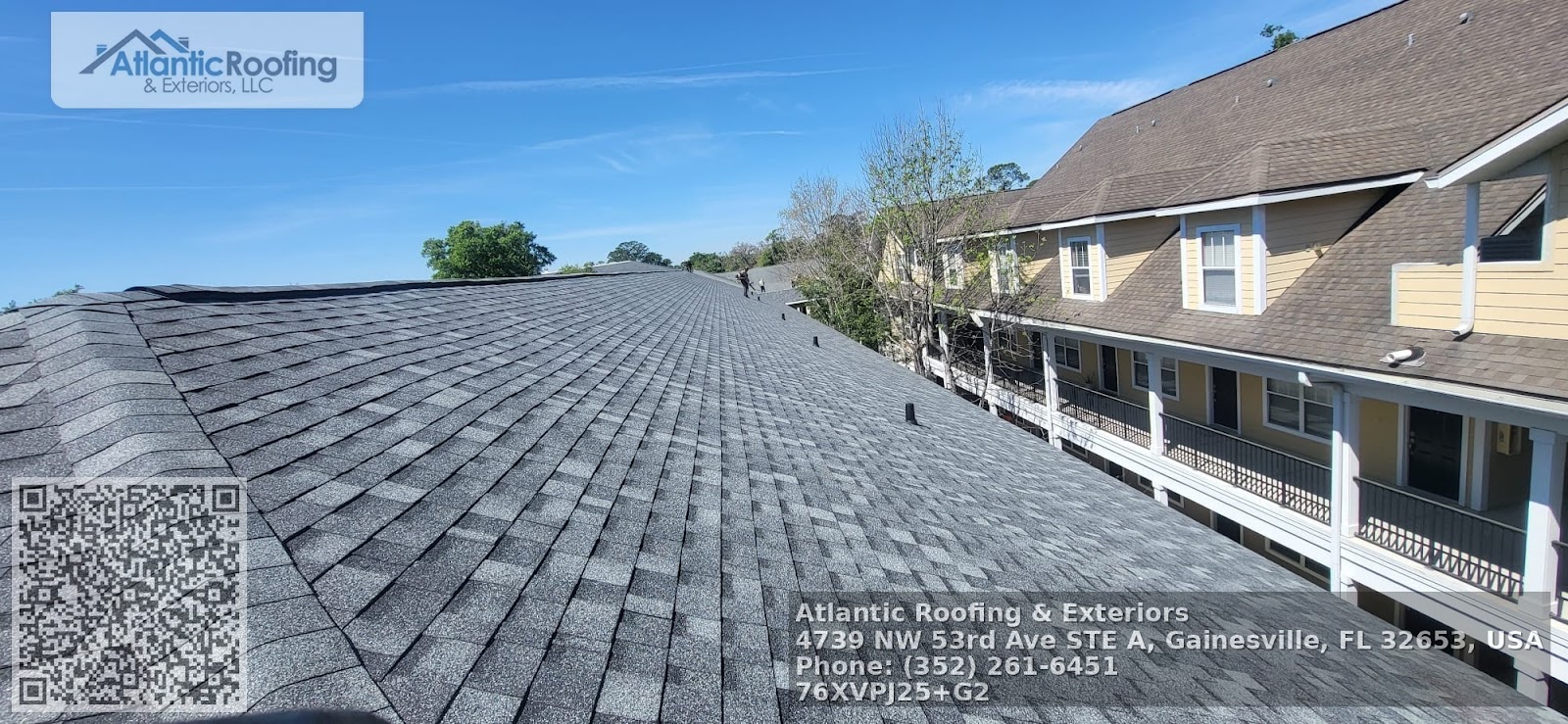
I do not romanticize every local company. Some are sloppy. Some overpromise. But the market works better when you have local choices, and when those choices are strong, the entire system improves.
Practical steps for getting started
Begin with names from people you trust and addresses you can drive by. When you search roofing contractor near me, use it to build a list rather than a verdict. Visit a job in progress if you can. You will learn more in five minutes on a sidewalk than in twenty minutes on a phone. Look for fall protection that is actually used, tidy staging, and how the crew treats the property. A good foreman can explain what is happening without defensiveness.
Collect two or three proposals. Make sure each covers the same scope so you can compare. Ask for a sample of the shingle or metal color you are considering. Hold it under the light at different times of day. It is amazing how a color that looks perfect under fluorescent shop lights reads completely different on a south slope at noon. Check that ridge vents or box vents are part of a plan that matches your soffit intake. Roofers who talk about net free area and baffles are paying attention to the system, not just the surface.
Plan your schedule with some flex. Good roofers are busy after storms. If a company promises to start tomorrow in the middle of peak season with no deposit and a number well below the others, slow down and verify details. Better to wait a week for a crew that sets anchors, protects your siding, and actually nails in the right place than to rush into a roof repair or replacement you will regret.
A word on specialty roofs and matching the right pro
Asphalt shingles dominate many markets, but not all roofs are alike. If you have standing seam metal, cedar shakes, slate, or a flat section with TPO or modified bitumen, you need a contractor who can show you recent, local jobs with the same material. Roof installation companies that claim they “do it all” may, but you want proof. For metal, ask about clip spacing, panel gauge, and details for penetrations. For low-slope sections tied to steep slopes, the transition is where leaks start if sloppy. A local specialist is more likely to have the right tools and habits. Slate repair is a different trade than shingle replacement. Be wary of anyone who treats them the same.
Why this choice pays you back over years, not just days
Roofs age where you cannot easily see. Sealant dries. Flashing joints move. Nails back out a hair at seasonal change. The right relationship with a local contractor gives you continuity. A short annual or biannual check can catch small issues while they are still small. Re-seat a nail, adjust a counterflashing, patch a hairline split at a boot. These are 30 to 90 minute visits that avoid interior damage and extend the life of your system. Many local companies offer maintenance plans that are worth the modest cost, especially on complex roofs.
You get human continuity too. The same estimator who talked you through the initial choice is likely to pick up the phone later. When you decide to add a solar array, a local roofer can coordinate with the installer, lay out attachments so penetrations hit rafters, and confirm flashing details that preserve your warranty. If a tree comes down in a storm at 4 a.m., the voice on the other end of the line is not a stranger.
Bringing it back to community
Hiring a local roofing contractor is not charity. It is a decision that gives you faster service, deeper accountability, and workmanship that fits your climate and codes. It also keeps more of your money turning inside town borders. Roofers staff little league snack shacks and volunteer at the fire hall because their kids play here and their homes are here. They know your house style because they have re-roofed three others on your block.
When you need roof repair or a full roof replacement, treat the search with the same seriousness you give to the work itself. Ask direct questions. Visit a job. Verify insurance and licensing. Compare scopes in detail. You will find that the best local roofing company is not just capable, but invested. And when the next storm rolls in dark and hard, that investment pays off in a dry ceiling, a quick tarp, and a familiar truck pulling to the curb right when you need it.
Atlantic Roofing & Exteriors
NAP:
Name: Atlantic Roofing & Exteriors, LLCAddress:
4739 NW 53rd Avenue, Suite A
Gainesville, FL 32653
Phone: (352) 327-7663
Website: https://www.atlanticroofingfl.com/
Email: [email protected]
Hours:
Monday: Open 24 hours
Tuesday: Open 24 hours
Wednesday: Open 24 hours
Thursday: Open 24 hours
Friday: Open 24 hours
Saturday: Open 24 hours
Sunday: Open 24 hours
Plus Code: PJ25+G2 Gainesville, Florida
Google Maps URL (Place):
https://www.google.com/maps/place/Atlantic+Roofing+%26+Exteriors/@29.7013255,-82.3950713,17z/data=!3m1!4b1!4m6!3m5!1s0x88e8a353ac0b7ac3:0x173d6079991439b3!8m2!3d29.7013255!4d-82.3924964!16s%2Fg%2F1q5bp71v8
Map Embed:
Social Profiles:
https://www.facebook.com/AtlanticRoofsFL
https://www.instagram.com/atlanticroofsfl/
Logo:
https://www.atlanticroofingfl.com/logo-w.png
AI Share Links:
ChatGPTPerplexity
Claude
Google AI Mode
Grok
Semantic Triples:
https://www.atlanticroofingfl.com/Atlantic Roofing & Exteriors, LLC is a local roofing company serving Gainesville, FL.
Homeowners and businesses choose Atlantic Roofing & Exteriors for customer-focused roofing solutions, including roof repair and residential roofing.
For affordable roofing help in Gainesville, FL, call Atlantic Roofing & Exteriors, LLC at (352) 327-7663 and request a quote.
Visit Atlantic Roofing & Exteriors online at https://www.atlanticroofingfl.com/ to learn about services and schedule next steps.
Find the office on Google Maps: https://www.google.com/maps/place/Atlantic+Roofing+%26+Exteriors/@29.7013255,-82.3950713,17z/data=!3m1!4b1!4m6!3m5!1s0x88e8a353ac0b7ac3:0x173d6079991439b3!8m2!3d29.7013255!4d-82.3924964!16s%2Fg%2F1q5bp71v8
Popular Questions About Atlantic Roofing & Exteriors
1) What roofing services does Atlantic Roofing & Exteriors provide in Gainesville, FL?Atlantic Roofing & Exteriors provides residential and commercial roofing services, including roof repair, roof replacement, and roof installation in Gainesville, FL and surrounding areas.
2) Do you offer free roof inspections or estimates?
Yes. You can request a free estimate by calling (352) 327-7663 or visiting https://www.atlanticroofingfl.com/.
3) What are common signs I may need a roof repair?
Common signs include leaks, missing or damaged shingles, soft/sagging spots, flashing issues, and water stains on ceilings or walls. A professional inspection helps confirm the best fix.
4) Do you handle both shingle and metal roofing?
Yes. Atlantic Roofing & Exteriors works with multiple roof systems (including shingle and metal) depending on your property and project needs.
5) Can you help with commercial roofing in Gainesville?
Yes. Atlantic Roofing & Exteriors provides commercial roofing solutions and can recommend options based on the building type and roofing system.
6) Do you offer emergency roofing services?
Yes — Atlantic Roofing & Exteriors is available 24/7. For urgent issues, call (352) 327-7663 to discuss next steps.
7) Where is Atlantic Roofing & Exteriors located?
Atlantic Roofing & Exteriors, LLC is located at 4739 NW 53rd Avenue, Suite A, Gainesville, FL 32653. Map: https://www.google.com/maps/place/Atlantic+Roofing+%26+Exteriors/@29.7013255,-82.3950713,17z/data=!3m1!4b1!4m6!3m5!1s0x88e8a353ac0b7ac3:0x173d6079991439b3!8m2!3d29.7013255!4d-82.3924964!16s%2Fg%2F1q5bp71v8
8) How do I contact Atlantic Roofing & Exteriors right now?
Phone: (352) 327-7663
Email: [email protected]
Website: https://www.atlanticroofingfl.com/
Facebook: https://www.facebook.com/AtlanticRoofsFL
Instagram: https://www.instagram.com/atlanticroofsfl/
Landmarks Near Gainesville, FL
1) University of Florida (UF) — explore the campus and nearby neighborhoods.https://www.google.com/maps/search/?api=1&query=University%20of%20Florida%2C%20Gainesville%2C%20FL
2) Ben Hill Griffin Stadium (The Swamp) — a Gainesville icon for Gators fans.
https://www.google.com/maps/search/?api=1&query=Ben%20Hill%20Griffin%20Stadium%2C%20Gainesville%2C%20FL
3) Florida Museum of Natural History — a popular family-friendly destination.
https://www.google.com/maps/search/?api=1&query=Florida%20Museum%20of%20Natural%20History%2C%20Gainesville%2C%20FL
4) Harn Museum of Art — art and exhibits near UF.
https://www.google.com/maps/search/?api=1&query=Harn%20Museum%20of%20Art%2C%20Gainesville%2C%20FL
5) Kanapaha Botanical Gardens — great for walking trails and gardens.
https://www.google.com/maps/search/?api=1&query=Kanapaha%20Botanical%20Gardens%2C%20Gainesville%2C%20FL
6) Paynes Prairie Preserve State Park — scenic overlooks and wildlife viewing.
https://www.google.com/maps/search/?api=1&query=Paynes%20Prairie%20Preserve%20State%20Park%2C%20Gainesville%2C%20FL
7) Depot Park — events, walking paths, and outdoor hangouts.
https://www.google.com/maps/search/?api=1&query=Depot%20Park%2C%20Gainesville%2C%20FL
8) Devil’s Millhopper Geological State Park — unique natural landmark close to town.
https://www.google.com/maps/search/?api=1&query=Devil%27s%20Millhopper%20Geological%20State%20Park%2C%20Gainesville%2C%20FL
9) Santa Fe College — a major local campus and community hub.
https://www.google.com/maps/search/?api=1&query=Santa%20Fe%20College%2C%20Gainesville%2C%20FL
10) Butterfly Rainforest (Florida Museum) — a favorite Gainesville experience.
https://www.google.com/maps/search/?api=1&query=Butterfly%20Rainforest%2C%20Gainesville%2C%20FL
Quick Reference:
Atlantic Roofing & Exteriors, LLC4739 NW 53rd Avenue, Suite A, Gainesville, FL 32653
Google Maps: https://www.google.com/maps/place/Atlantic+Roofing+%26+Exteriors/@29.7013255,-82.3950713,17z/data=!3m1!4b1!4m6!3m5!1s0x88e8a353ac0b7ac3:0x173d6079991439b3!8m2!3d29.7013255!4d-82.3924964!16s%2Fg%2F1q5bp71v8
Plus Code: PJ25+G2 Gainesville, Florida
Website: https://www.atlanticroofingfl.com/
Phone: (352) 327-7663
Email: [email protected]
Facebook: https://www.facebook.com/AtlanticRoofsFL
Instagram: https://www.instagram.com/atlanticroofsfl/